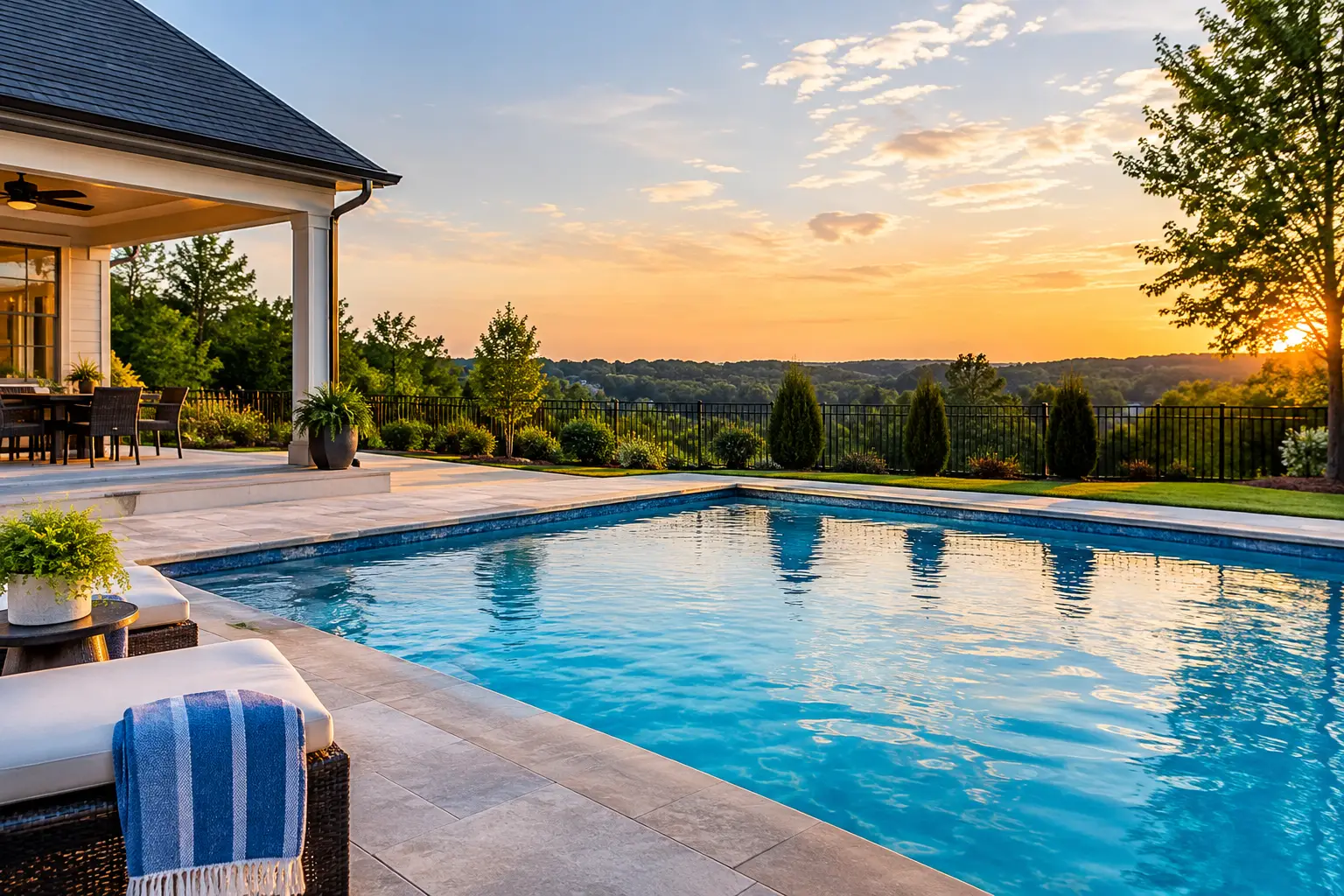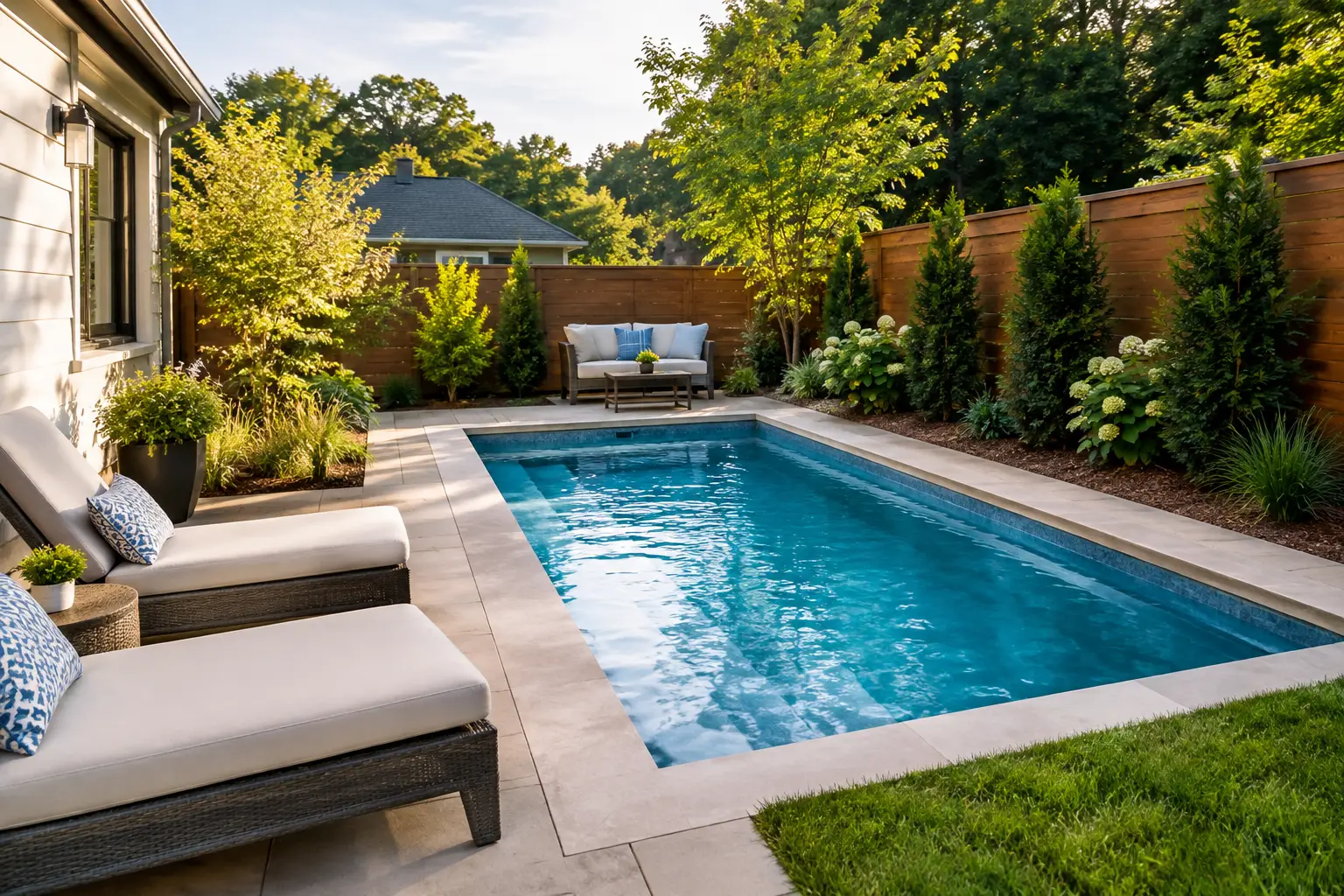
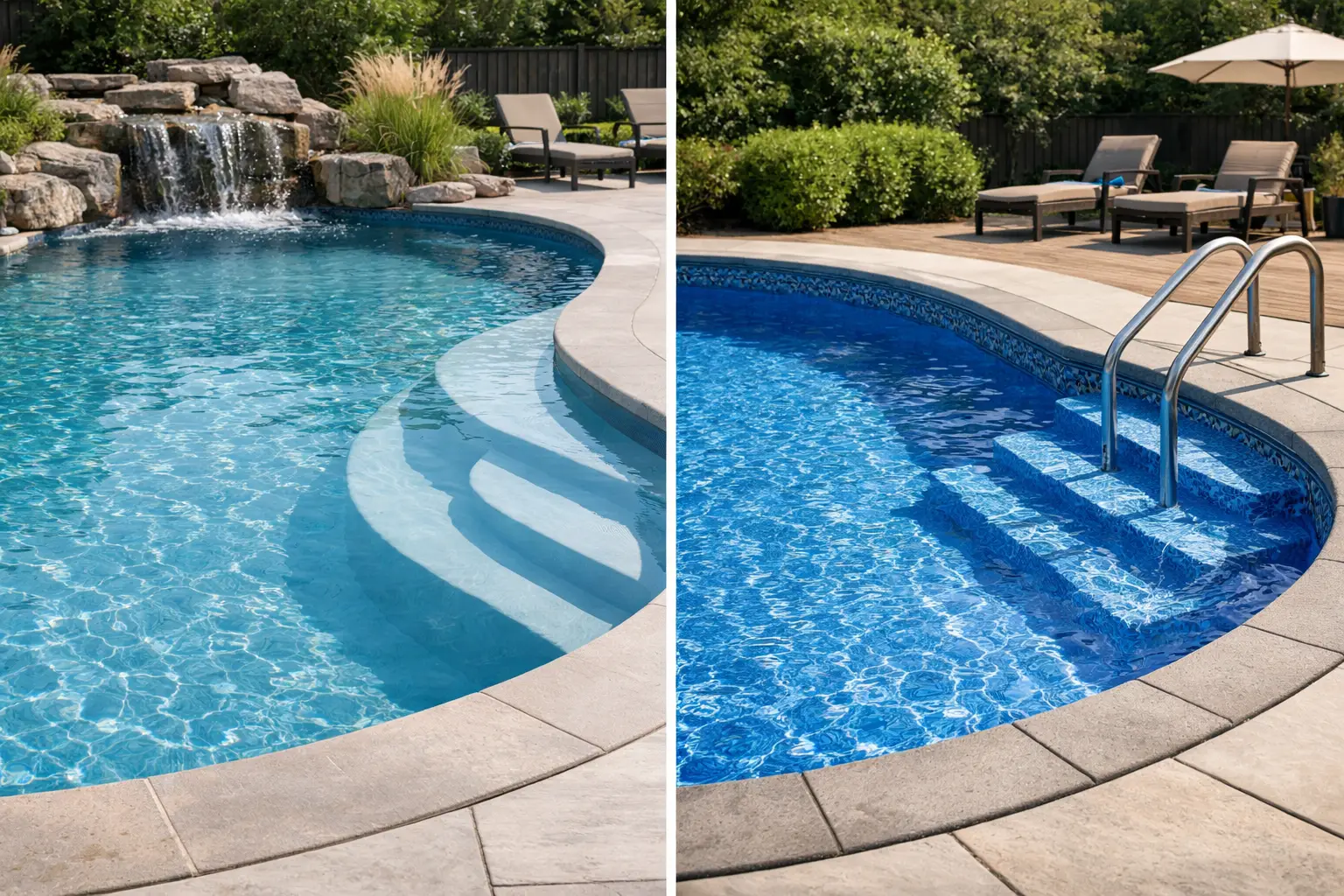
Fiberglass usually wins on a shorter installation phase and a smooth, low-upkeep surface, as long as a factory shell fits your yard and can be delivered to it. Vinyl liner usually wins on a lower starting cost and more freedom in size and shape, with the trade-off that the liner will eventually wear out and need to be replaced. Both make good inground pools. The better choice depends on your site, your budget priorities and how much flexibility you want in the layout.
Bulldog Pool Builders installs both, along with gunite pools, so this comparison is meant to help you choose, not to steer you toward one product.
The Main Difference
A fiberglass pool arrives as a pre-manufactured, one-piece shell. After excavation and site preparation, the shell is lifted into place, leveled, plumbed and backfilled. Its interior is a smooth gel coat, and the available shapes come from the manufacturer’s line. Our fiberglass pools page covers how Bulldog handles these installations.
A vinyl liner pool is built on site. The crew excavates, installs the wall structure and floor base, then fits a custom vinyl liner over that structure. Because the pool is formed in the yard rather than delivered as one piece, it offers more freedom in dimensions, shape, steps and layout.
Installation and Site Access
If you want to swim as soon as possible, fiberglass has a clear advantage on many projects. Once permits, excavation, utility coordination and site preparation are handled, the shell can be set quickly. The shorter installation phase gets the project to coping, fencing and final details sooner.
That advantage depends on access. The shell has to travel from the road to the excavation, usually with a crane. A narrow side yard, heavy tree cover, a steep grade, overhead lines or limited truck access can make delivery difficult or add site work. This is one of the first things a builder should check during a property visit.
Vinyl liner pools are assembled from individual components, so they can be a strong solution where moving a full shell is impractical. Their installation phase is typically longer, but they are not limited by shell delivery in the same way.
In Northeast Georgia, rain and red clay soil influence either build. A good plan accounts for drainage, groundwater, slope and access before excavation begins. Bulldog provides a schedule after a site visit, because those conditions are what actually set the timeline.
Shape, Size and Design Freedom
Fiberglass shells come in a wide range of designs: rectangles, freeform styles, built-in tanning ledges, benches and entry steps. For many families, there is a shell that checks every box. If you want a clean pool with a predictable footprint, fiberglass is an excellent fit.
The limitation is that the shell’s size and shape are fixed. You can choose from available models, but you cannot stretch one side, deepen a corner or add a custom curve. The pool also has to fit through the delivery route and within the available installation area.
Vinyl liner pools offer more layout flexibility. They work well for homeowners who want an uncommon shape, a specific swim lane length, a larger shallow area or a pool sized to fit an unusual yard. Liners also come in different patterns and colors, which change how the water looks.
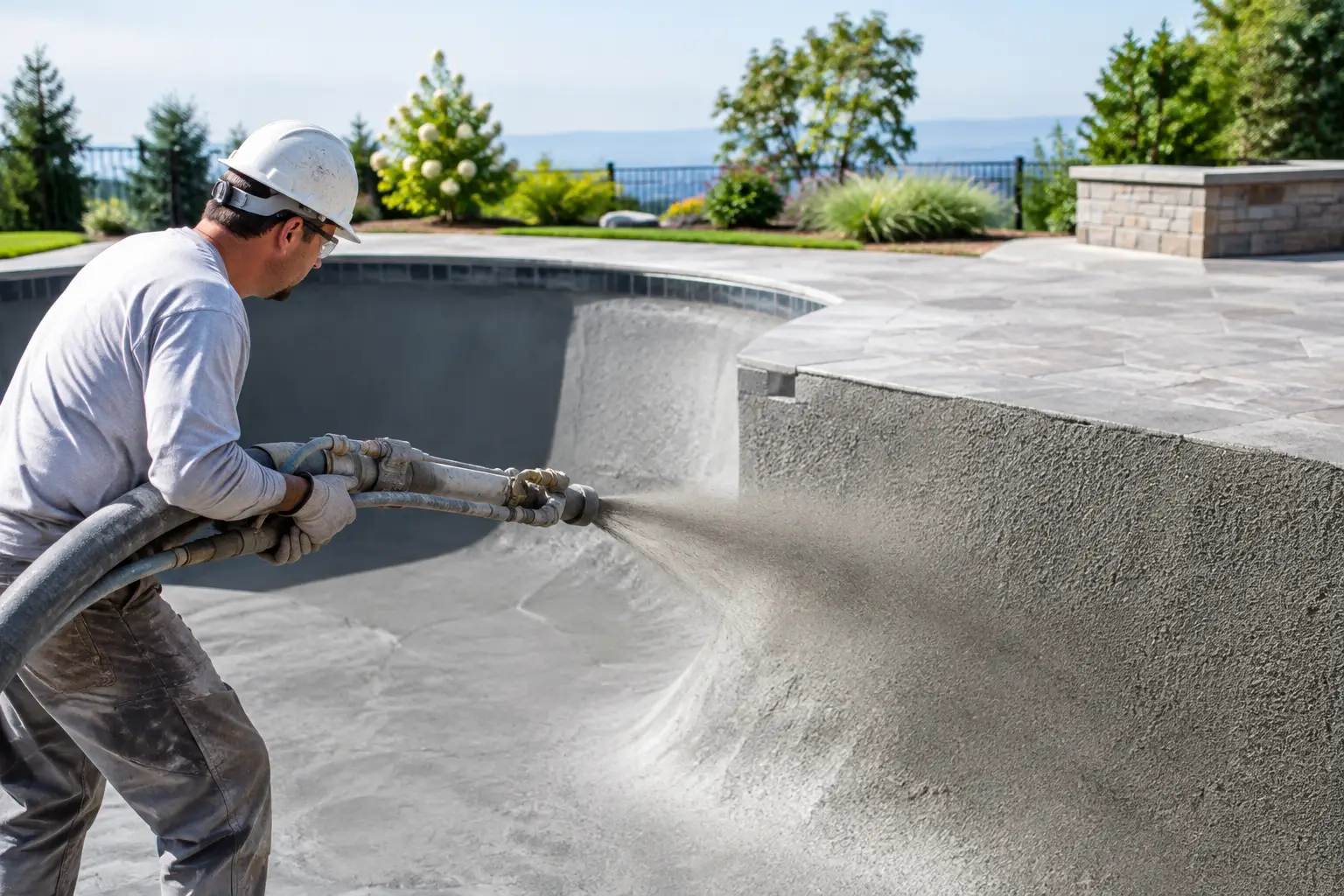
If you need more customization than either option allows, such as an attached spa, raised walls or a vanishing edge, a gunite pool is the most flexible choice. Gunite pools, often called concrete or shotcrete pools, are built entirely on site. Our gunite vs. fiberglass comparison covers that decision.
Upfront Cost and Long-Term Ownership
The cost of a pool is never just the shell or the liner. Excavation, access, soil conditions, drainage, electrical work, equipment, permits, fencing and site restoration all affect the final investment. A builder who only compares base pool prices is not giving you the full picture.
Vinyl liner pools often have a lower starting cost than comparable fiberglass pools, especially for straightforward designs. Fiberglass can cost more upfront, but the gel coat surface is part of the shell and does not have a liner to wear out.
Vinyl liners are durable, but they are not permanent. Age, fading, staining, tears and loss of elasticity eventually catch up with every liner. How long one lasts depends on water chemistry, sun exposure, use and care, so plan for that future expense. The upside is that a new liner is also a chance to change the pool’s look with a new pattern.
Every project is different, so we do not publish prices. Our Gunite Pool Cost in Georgia guide explains the main cost drivers, many of which apply to fiberglass and vinyl as well.
Day-to-Day Care and Comfort
Fiberglass
Gel coat is smooth and nonporous. It is comfortable underfoot and makes it harder for algae to take hold. Proper water balance, filtration, circulation and regular cleaning are still required, but many owners find daily care simple.
Fiberglass is not care-free. Poor water chemistry can stain or dull the surface, so finish concerns should be addressed promptly. Fiberglass shells are engineered to flex slightly with ground movement, but proper installation, backfill and drainage remain essential, especially in clay soil.
Vinyl liner
Vinyl also has a smooth, soft feel, which makes it popular with families who have young swimmers. It needs balanced water chemistry and routine cleaning like any pool. The main difference is protecting the liner from punctures and keeping an eye on areas around fittings, seams and steps.
A small puncture can often be patched, depending on its size and location. Because the liner is the pool’s water barrier, any damage should be addressed quickly rather than put off.
Which Is Better for Your Yard?
Fiberglass may be the better choice if:
- You want a shorter installation phase.
- A manufacturer’s shell shape and size fit your yard.
- Your site has workable delivery access.
- You would rather not plan for a liner to wear out.
Vinyl liner may be the better choice if:
- You want a lower starting cost.
- Your yard calls for a custom footprint or specific dimensions.
- Access is too tight for a shell delivery.
- You like the option to change the pool’s look when the liner is replaced.
Sometimes the lot makes the decision. A sloped yard, unusual setbacks, existing structures, drainage concerns or a small build area can narrow the practical options quickly. Setbacks and permit rules vary by county and city; see pool permits in Georgia. That is why an on-site evaluation is more valuable than choosing from photos.
Plan the Space Around the Pool
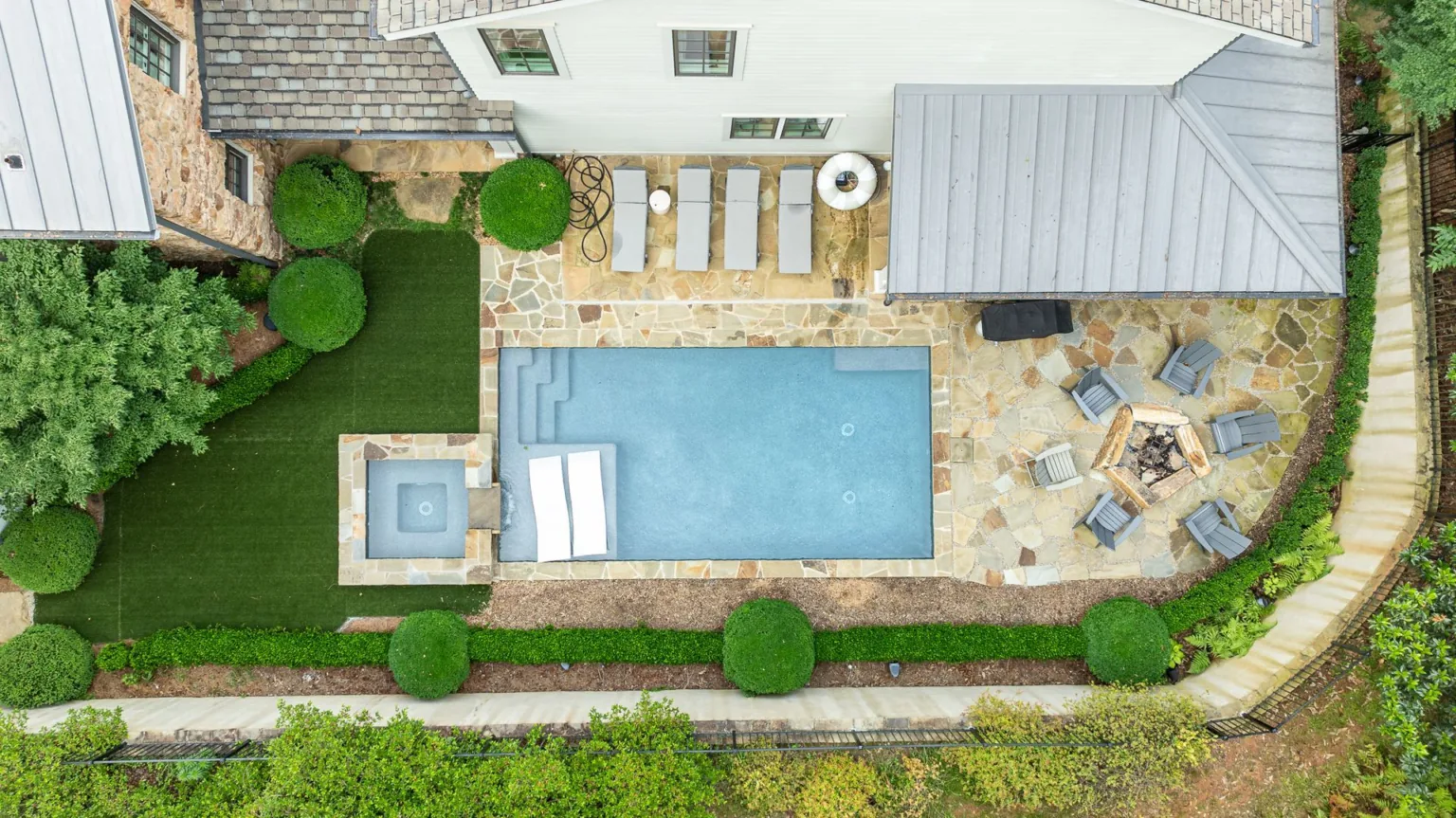
Whichever type you choose, think through how the pool will be used. Where will people get in? Where will towels and chairs go? How will afternoon sun hit the water? The area around the pool should slope away from the water and the house, and there should be enough room for chairs and a clear walking path.
If you are weighing fiberglass and vinyl liner, Bulldog Pool Builders can evaluate your yard, compare both options honestly and show you a 3D design before construction. Schedule a consultation or call (706) 705-7751.